How to Read a Tenant Complaint: Why We Publish Them and What They Can't Prove
The Letters section of The Greystar Review holds 37 tenant accounts from Ripoff Report, Trustpilot, RateTheLandlord and a petition. Here is how we treat them.
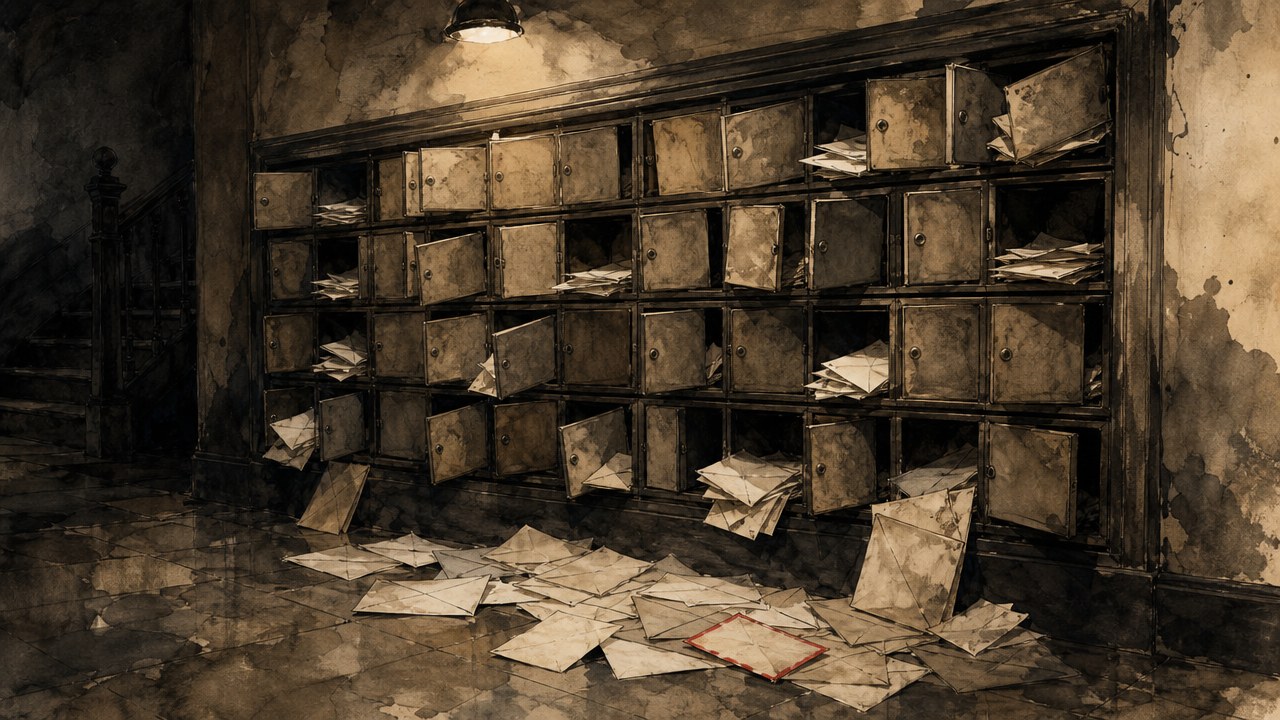
Government actions and court cases show up late. A tenant writes about a leak the week it starts. That is why The Greystar Review has a Letters section: 37 published accounts, 14 from Ripoff Report, 11 from Trustpilot, 11 from RateTheLandlord.org and one resident petition, dated from 2006 to 2024.
They are also the least verified material on the site. Every one is presented as an allegation, and this article explains how to read them.
What a complaint can show
A complaint is evidence that a specific person said a specific thing about a specific place at a specific time. Taken together, they can show what kinds of problems residents report. In the Letters section the recurring themes are:
- Deposits and move-out charges. One reviewer alleges a $2,000 deposit still unreturned three months after move-out, beyond the state deadline. Another alleges an extra month at double rent, a deposit withheld without an itemized list, and a new $200 charge two years after leaving.
- Pests. A reviewer alleges a unit was roach-infested at move-in and still unresolved weeks later.
- Leaks and mold. One alleges a toilet that broke again after repair, leading to mold found at move-out. Another alleges major bedroom leaks unrepaired for months, followed by a 30% rent increase at renewal.
- Safety. A reviewer alleges a smoke alarm that kept malfunctioning and an after-hours emergency number that rang without answer.
- Evictions and fees. A 2013 report alleges Greystar pursued eviction over $500 in legal fees and then billed $7,700 in early-termination and other charges.
What a complaint cannot show
A complaint cannot show that the facts are as described. It is one side, usually written when the writer is angry, and the company often has not responded. It cannot show how common the problem is, because people who had no problems rarely post. And it cannot show whether the problem still exists. The oldest accounts date from 2006, and several mention a change in management, so a complaint about a building under a previous manager may say little about the current one.
A short checklist
Questions worth asking about any single account:
- Is it dated, and does it name the property?
- Does it describe specifics, such as dates, amounts, work orders or notices, that could be checked?
- Does it mention documents the writer says they hold?
- Did the company respond, and is that response public?
- Is there independent reporting or an official record about the same property or the same type of problem?
- How old is it, and has management changed since?
The fifth question is where the Letters section connects to the rest of the record. A tenant's account of move-out charges reads differently after a regulator's order about fee disclosure, but one does not prove the other.
What we do with them
We summarize each account in neutral language, begin the summary with "alleges," link to the original post, and keep the date visible. We do not add personal information about reviewers. The residents' petition over indoor air quality at Forty55 Lofts, for example, is listed with its source and its 108-signature count as reviewed.
If you are the writer of one of these accounts, or the subject of one, and something is wrong, the correction link below goes straight to the project's issue tracker.
Read the record
Each item below is on The Greystar Review with a link to its original source.
- Tenant alleges $2,000 deposit not returned within state-law deadline (Trustpilot)
- New tenant alleges unaddressed roach infestation at move-in (Trustpilot)
- Tenant alleges malfunctioning smoke/fire alarm and unanswered emergency line (Trustpilot)
- Tenant alleges failed toilet repair led to mold and deposit was kept (RateTheLandlord.org)
- Former tenant alleges withheld deposit, double-rent holdover and surprise charge two years later (RateTheLandlord.org)
- Tenant alleges unrepaired bedroom leak for months and 30% rent increase (RateTheLandlord.org)
- Tenant alleges eviction over $500 fee dispute followed by $7,700 bill (Ripoff Report)
- Residents petition Greystar for indoor air-quality testing at Forty55 Lofts (Change.org)
This article summarizes public records and published reporting collected by The Greystar Review. Allegations are described as allegations, and a settlement is not a finding of wrongdoing unless a court or agency says so. If something here is wrong, tell us and we will fix it.